How to Choose the Right Beef Cut According to Your Cooking Method
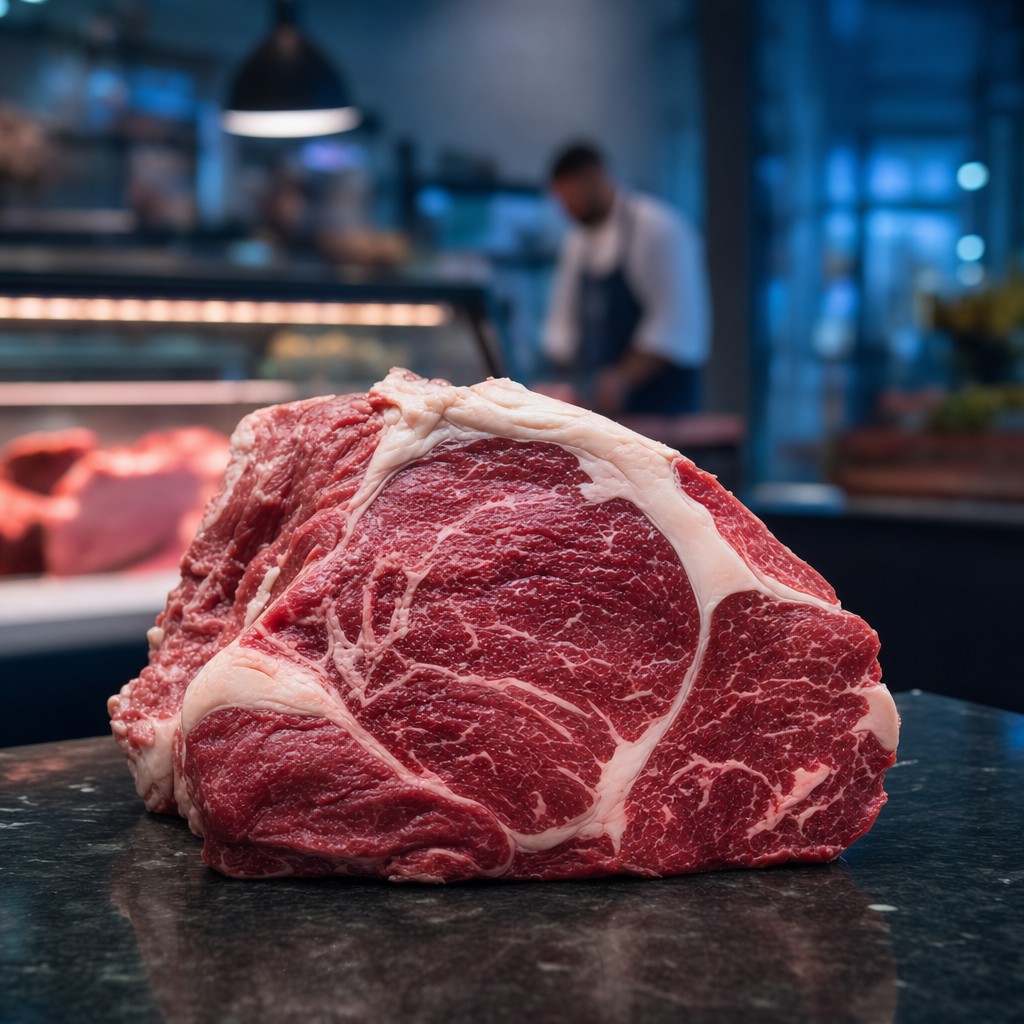
The choice of beef cut makes all the difference between a successful dish and disappointment at the table. At Boucherie Léopold I in Jette, we work exclusively with Belgian Blue beef, a breed renowned for its marbled and tender meat. Each cut has its own properties: some cook quickly over high heat, others flourish with slow cooking. Here's how to guide your choice based on your preference and cooking technique.
For the pan: cuts that cook quickly
When you want a quick and flavourful meal, turn to tender cuts that require only a few minutes. Pure fillet is the undisputed champion: it's the most tender cut of beef, ideal for searing quickly over high heat to keep a rosy centre. The ribeye, marbled and tender, works perfectly in the pan: it just needs to be seared a few minutes on each side to become a savoury masterpiece. The chuck eye, marbled and characterful, appeals to lovers of beef with flavour: it pans beautifully and even benefits from generous browning.
The butcher's tip: these delicate cuts require a very hot pan. Don't poke them; let them form a beautiful crust. Remove them from the refrigerator 15 minutes before cooking so they're brought to room temperature throughout.
For the grill: cuts with character
The grill or plancha magnify cuts with beautiful marbling. The ribeye remains your best choice: direct heat wraps it in a crispy crust while the inside stays pink and juicy. The bone-in rib, an exceptional cut, shines on the grill: thanks to its bone, it cooks more evenly and stays tender. Allow a little more time than a ribeye, but the result is worth it.
Pure fillet can also be grilled, but it requires careful attention to prevent it from drying out. The chuck eye also appreciates direct heat, becoming crispy on the outside and juicy inside.
The butcher's tip: don't turn your meat constantly. Place it, let it caramelize for 4 to 5 minutes on each side, then check doneness by touch. Perfectly cooked meat offers slight resistance under your finger.
For stews and sauces: cuts that become tender
Slow cooking transforms less tender cuts into melting delights. Beef stew meat is exactly what you need: cut into large regular pieces, it absorbs flavours and becomes tender after an hour or two of simmering. Beef oxtail, rich in collagen, creates an incomparable gelatinous sauce: it requires more time, but the result justifies the patience. Beef with bone enriches your homemade stews and broths with natural gelatin and deep flavour.
The butcher's tip: these cuts benefit from searing at the start of cooking to form a crust that enriches the sauce. Then let them simmer over gentle, even heat. Time does all the work.
For minced preparations and sauces: ground beef
Fresh ground beef, prepared daily, is your ally for meatballs, homemade burgers and sauces. Made from fresh Belgian Blue beef, it brings body and flavour to all your dishes. The butcher's tip: use it quickly after purchase or freeze it. For meatballs, mix it with an egg, a little soaked breadcrumb and finely diced onion: the result will be light and tender.
How to choose well: points of reference
The colour should be bright red, glossy, never dull or brown. Marbling—the thin lines of white fat running through the meat—signals quality beef that will be tender and flavourful. Don't hesitate to ask for advice at the counter: describe your recipe and technique, and the butcher will suggest the cut that perfectly matches your needs.
The butcher's tip: note that the same cuts can vary slightly from one animal to another. A well-marbled ribeye will cook differently than one with less marbling in the pan. Our team in Jette can show you the marbling and help you find the perfect cut for your table.
Frequently asked questions
What's the difference between a ribeye and a bone-in rib?
The ribeye is already boned, so it cooks faster and more evenly. The bone-in rib contains the bone, which protects the meat and keeps it juicier, but it takes a little longer to cook and offers a beautiful presentation for special occasions.
How long does beef stew meat take to cook?
Beef stew meat simmers slowly for 1.5 to 2 hours over low heat, in liquid that bubbles gently. The meat should be cuttable with a fork. Check tenderness regularly, especially if preparing for the first time.
Can I prepare my beef in advance and store it?
Yes, raw cuts keep 3 to 4 days in the refrigerator in the coldest compartment. For longer storage, freeze them: they'll keep for 6 months. Always thaw in the refrigerator, never at room temperature. Cooked dishes also keep 3 to 4 days in the cold.
To explore our finest Belgian Blue cuts and receive advice from our butchers, call us at 02 307 04 38 or visit us at Boucherie Léopold I. You can also order online for collection at your convenience.