Butchering Like a Pro: Mastering the Art of Boning
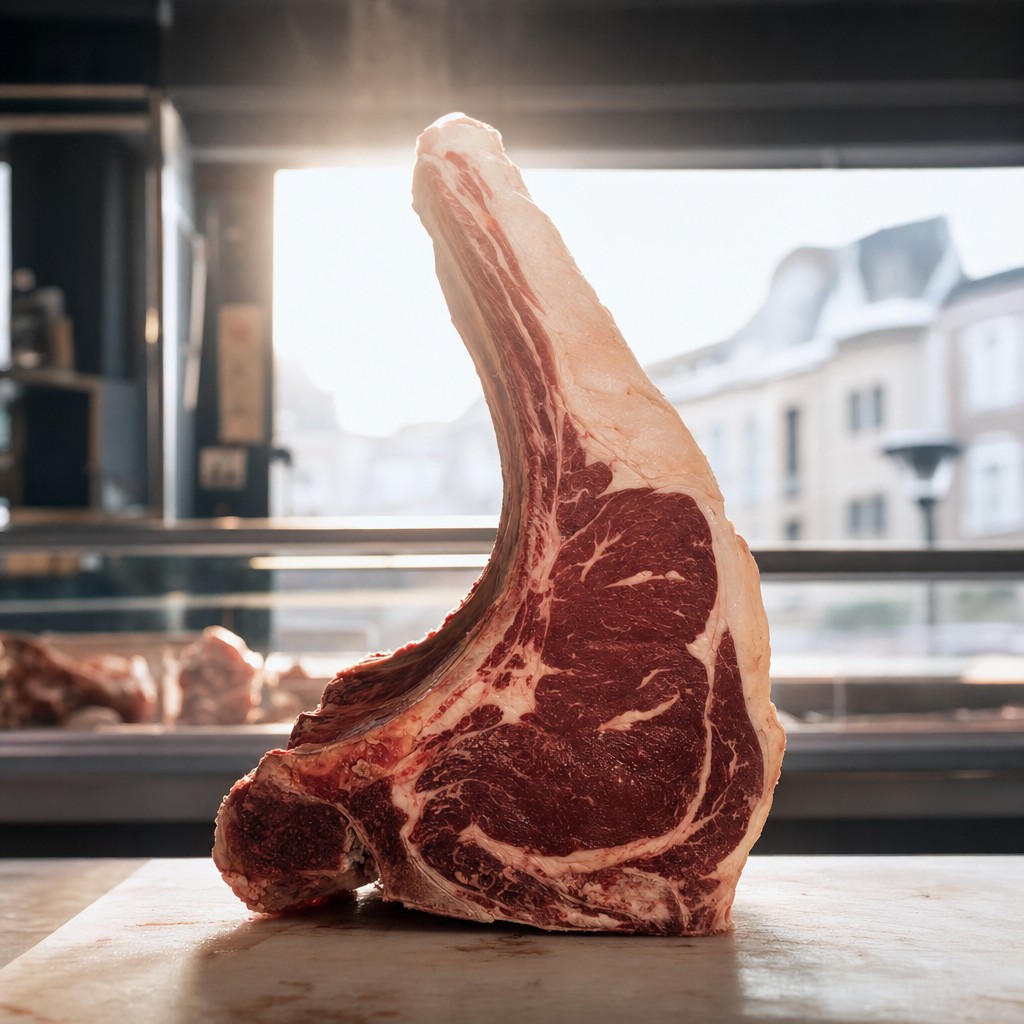
Boning is a craft that transforms a raw piece of meat into ready-to-cook portions with no unnecessary loss. Mastering this technique allows you to get the most from your purchase, reduce trimmings, and prepare cuts equal in quality to those from a professional butcher. It's also an economical and respectful approach to your ingredients.
Preparation and Essential Equipment
Before you begin, you need the right tools. A sharp knife is your best ally: choose a blade 15 to 20 centimeters long, flexible and keen-edged. Sharpness is essential, because a dull knife slides off the bone and forces you to apply pressure, compromising the quality of the cut.
Also prepare:
- A large, stable cutting board
- A clean kitchen towel to dry the meat and improve your grip
- A small paring knife for finishing touches
- A container for trimmings (bones, cartilage)
Let the meat rest at room temperature for 15 to 20 minutes before boning. Meat that is too cold is rigid and harder to work with.
General Technique: Following Natural Structure
The secret to good boning lies in listening to the anatomical structure of the meat. Bones and cartilage naturally define the muscles and fiber groups. Your knife must follow these boundaries, never cross them.
Always start by identifying joints and ligaments. Run your knife along the bone, following its contour. Gradually free the meat without tearing it. Movements should be fluid and controlled: the fewer muscle fibers you cut, the more compact and presentable the meat remains.
Always work toward yourself, never away from your body. This gives you better control and reduces the risk of the knife slipping.
Boning a Lamb Shoulder
A lamb shoulder is an ideal piece to start with, as its joints are clear and its muscles well-defined.
Position the shoulder skin-side up. First locate the shoulder blade joint, then the elbow joint. With a precise motion, follow the contour of the shoulder blade, freeing the meat on both sides. Once the shoulder blade is loosened, remove it with a gentle pull. Continue by freeing the arm bone, following its length. The muscles detach naturally once you have freed the joints.
You will obtain an almost-whole boned shoulder, ideal for roasting or braising, and a perfect bone for homemade stock. Small trimmings transform into a delicious lamb stew.
Boning a Veal or Beef Rib
Ribs require a more delicate approach, as you want to preserve quality meat all around.
Position the rib in front of you. Using your knife, first free the longissimus muscles (the thickest muscle) by making a clean cut along the backbone. Follow the rib bones by tilting your blade slightly toward them. Work from the back toward the belly, gradually freeing the meat. Once the top side is done, flip the rib and repeat.
This careful work allows you to recover intact meat, ready to pan-fry or grill, and preserve the bone for sauce stock.
Smart Use of Trimmings
No trimmings should be wasted. Bones and cartilage are valuable for making stock or homemade broth. Small bits of meat clinging to the bone make excellent additions to stews or forcemeats.
Sort your trimmings:
- Blonde bones (lightly cooked): ideal for light broth
- Bones with cartilage and connective tissue: perfect for rich, gelatinous broth
- Small muscles: excellent minced or cooked in stew
- Minor trimmings: reserved for sauces or forcemeats
Freeze bones if you don't use them immediately. They will keep their flavor for a long time.
Hygiene and Storage During Boning
Handle raw meat with respect and care. Keep your board and hands clean. Avoid mixing raw meat juices with other foods.
Once boned, consume the meat within 24 to 48 hours if refrigerated. For longer storage, wrap it well in food wrap or butcher paper and freeze it. A properly wrapped piece keeps for 3 to 4 months in the freezer.
Improve Your Skills: Butcher's Tips
Boning improves with regular practice. Start with simple cuts: a lamb shoulder, then a leg, then a rib. Each piece of meat teaches you something about its structure.
Don't hesitate to ask your butcher for advice: at Boucherie Léopold I in Jette, we're always happy to show you how to bone a specific cut when you place your order. Watching a professional at work is worth a thousand written instructions. You can also practice on raw bones before investing in expensive cuts.
Over time, you'll discover how each piece naturally comes apart. It's a satisfying gesture, where patience and respect for your ingredients transform a simple piece of meat into several delicious and well-utilized portions.
Frequently Asked Questions
Is it absolutely necessary to have the butcher bone it?
No, but it's more economical to do it at home if you're capable. Having it boned at the butcher means leaving the trimmings with the shop. Boning yourself allows you to keep all bones and trimmings for your own cooking.
What knife is truly necessary?
A flexible, sharp butcher's knife 15 to 20 centimeters long is sufficient. Sharpness matters much more than the brand: a dull knife will frustrate you and damage the meat. Have your blade sharpened regularly, or use a honing steel before each cut.
Are halal meat bones suitable for making stock?
Absolutely. Bones from Boucherie Léopold I, 100% halal, produce broth and stock just as flavorful as any other. Certified halal meat quality also guarantees the quality of your homemade broth.