Halal meat: how to recognize quality and traceability
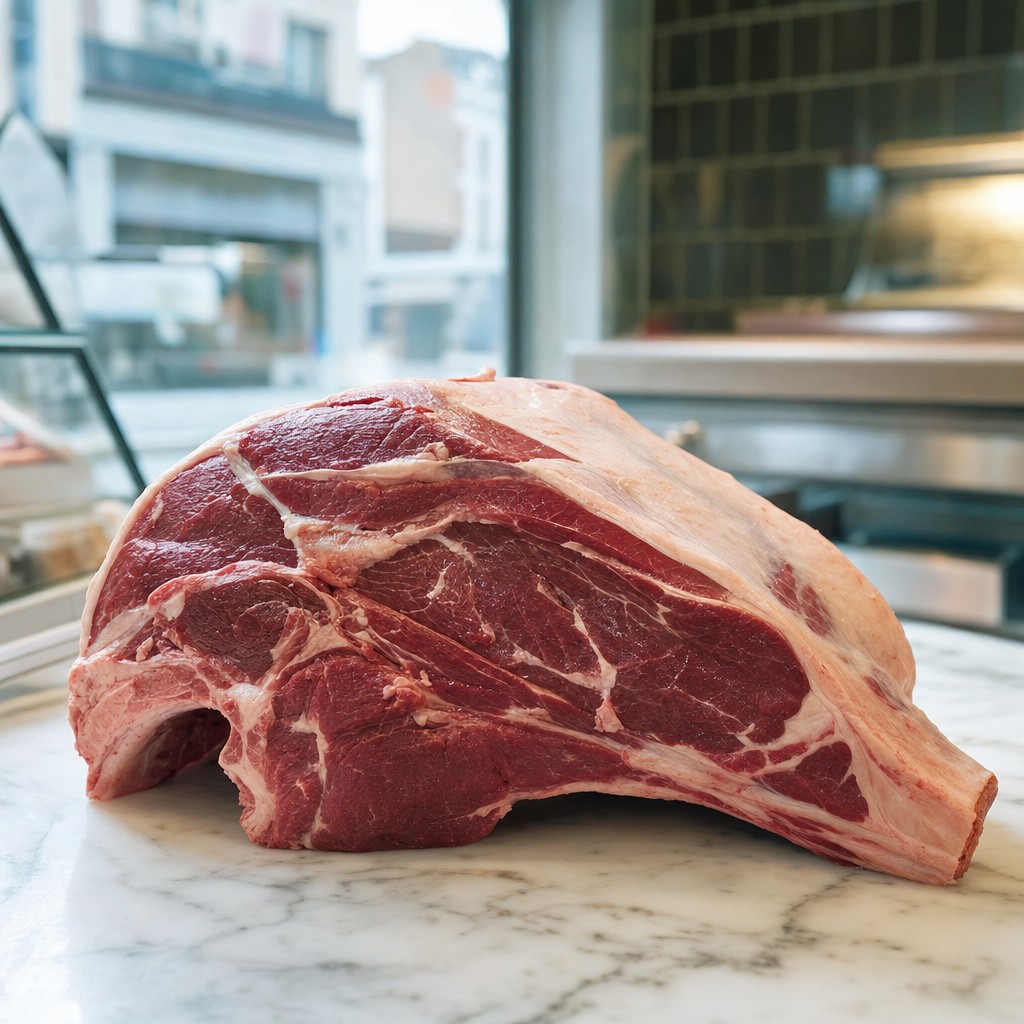
Recognizing quality halal meat relies on three key elements: verifying the butcher's official certification, knowing the origin and breed of the animal, and building a relationship of trust with a professional who controls the complete circuit of meat from supplier to your plate.
What guarantees authentic halal meat?
True halal meat must meet strict standards: certified origin, animal traceability, and compliance with slaughter practices in line with halal principles. Boucherie Léopold I in Jette offers halal meat with guaranteed traceability, meaning each cut can be traced back to its source. This transparency is your first assurance of quality and authenticity.
A certified halal butcher leaves nothing to chance: he works with approved suppliers, respects regulated storage and transport conditions, and can provide you with traceability documents if you request them. This rigor is what distinguishes the true professional from superficial commerce.
Indicators to check at your butcher
Ask for the origin and breed of the animal
A quality butcher knows the pedigree of his meats. For beef, it's the Belgian White-Blue that reigns supreme: a breed recognized for its marbled, tender and flavorful meat. For veal, it's the Culard, renowned for its softness and natural tenderness. When you buy a ribeye or escalope, ask for the precise origin and breed: this is a good indicator of professionalism.
A good butcher will gladly answer these questions. If you're told "it's meat," without further detail, you're not dealing with a professional. Boucherie Léopold I can inform you about each cut: its origin, its quality, the best time to consume it.
Observe the color, texture and freshness
Quality halal meat displays unmistakable visual signs:
- The color should be bright and brilliant (dark red for beef, pale pink for veal, pink for poultry), never grayish or brownish.
- The texture should be firm to the touch, without excess liquid or slimy deposits.
- The smell should be neutral or even pleasant, never sour or unpleasant.
These characteristics attest that the meat has been stored correctly, at the right temperature, and that it is fresh from today or yesterday. A butcher established like the one in Jette closely monitors these conditions.
Verify certification and traceability
A certified halal butcher must be able to show you:
- His halal certification certificate.
- Traceability documentation related to each meat (supplier origin, slaughter date, transport conditions).
- Breeding records or approval documents from suppliers.
This traceability is not administrative bluff: it is proof that the meat has followed a controlled and compliant path. If a butcher hesitates to answer your questions on these points, that is a bad sign. At Boucherie Léopold I, traceability is guaranteed and the professional remains transparent.
Why trust a certified butcher?
Control of the complete circuit
A true certified butcher doesn't simply resell meat: he selects it from his trusted suppliers, it arrives packaged and labeled according to standards, it is stored at regulated temperature, cut according to hygiene rules, and presented fresh. Every step is controlled.
Personalized advice
The butcher is not a vending machine: he is an expert who knows his products and can guide you. Looking for meat for a slow stew? He will suggest a lamb shoulder or neck. Want a quick cook? He will recommend pure beef fillet or veal escalope. This added advice, free and based on his knowledge, doesn't exist in impersonal commerce.
Reduction of health risks
A certified butcher respects strict hygiene standards: appropriate gloves and clothing, equipment disinfection, separation of cold and hot circuits, respect of expiration dates. This drastically reduces health risks, unlike the supermarket where meat can sit on display for hours.
Questions to ask in the shop
When you enter your butcher's, don't hesitate to ask:
- "Where does this meat come from? What is the breed of the animal?"
- "When did it arrive? Has it been frozen?"
- "Which cut would you recommend for..." (your recipe).
- "How long can it keep?"
- "Do you have a halal certification certificate I can consult?"
These questions are legitimate and are part of normal dialogue between customer and professional. A serious butcher welcomes them kindly.
Why choose Boucherie Léopold I in Jette
Boucherie Léopold I offers certified halal meat with guaranteed traceability. It is an established professional in the neighborhood, who works with approved suppliers, controls the entire circuit, and can answer your questions about the origin, quality and preparation of each cut. Whether you order a simple piece or make a special order for an occasion, you benefit from the expertise of a true butcher.
This traceability and transparency are your guarantees: you are not paying for a promise, but for a verifiable certainty.
Frequently asked questions
How do I know if the halal meat from my butcher is really certified?
A certified butcher can present you with his halal certification certificate and the traceability documentation of his suppliers. Don't hesitate to ask to consult it: it is a customer's right. Boucherie Léopold I can show you this documentation on simple request.
What is the difference between meat labeled "halal" on the label and truly certified meat?
A simple mention on a label commits to nothing; only official certification validated by an accredited body guarantees compliance with halal standards. A serious butcher possesses this certification and can prove it. Meat without official certification may have gaps in the circuit.
How long can I keep the halal meat I bought from the butcher?
The duration depends on the type of meat and your storage method. Fresh meat keeps for 2 to 3 days in the refrigerator at a maximum of 4°C. If you want to keep it longer, a freezer at minus 18°C is the solution: it will keep for several months without loss of quality. The butcher can advise you on the exact duration depending on the cut.