Homemade Marinades: Recipes and Soaking Times to Elevate Your Meat
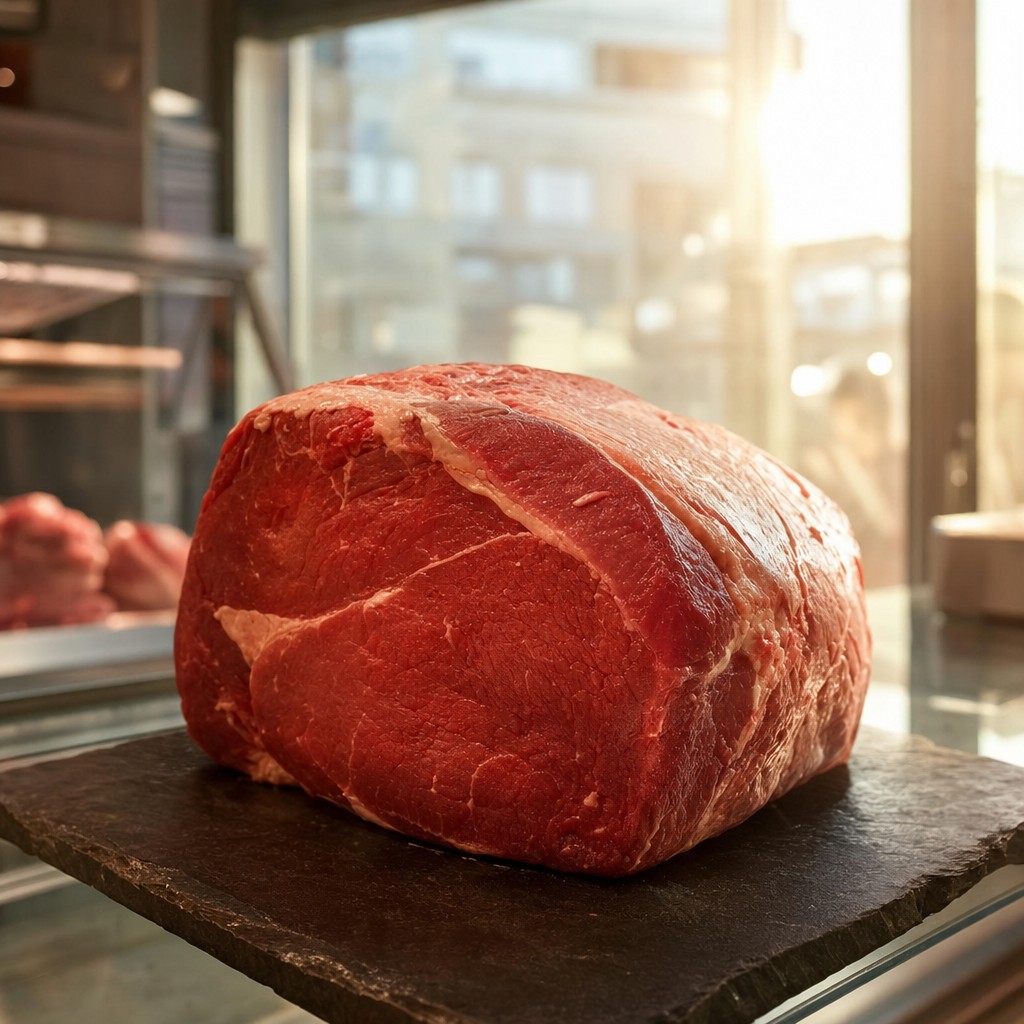
Marinating meat at home means mastering the secret to tender, aromatic and juicy flesh. A good marinade envelops the meat in flavours, makes it more succulent and transforms a simple steak into a piece worthy of a festive table. Here's how to prepare your marinades according to the cut and available time, using proven butchery techniques.
The fundamental principles of a good marinade
A successful marinade rests on three key elements: an acid (to tenderise), a fat (to preserve moisture) and aromatics (to enhance). The acid gradually penetrates the meat fibres and softens them, while oil preserves moisture during cooking.
White vinegar, fresh lemon juice or plain yoghurt serve as the acid. Extra virgin olive oil brings finesse and richness. Fresh herbs, garlic, spices and condiments form the aromatic base. For a balanced marinade, count one part acid to two parts oil, complemented by garlic, onion and herbs of your choice.
Soaking times: the timing that changes everything
Marinating time depends on the thickness and density of the meat. Respecting these durations guarantees maximum absorption without risk of over-acidification that would make the texture mushy.
For escalopes and thin cuts (veal escalope, chicken breast): 30 minutes to 2 hours suffice. Thin flesh absorbs flavours quickly and risks becoming too tender if prolonged.
For steaks and ribs (beef ribeye, lamb chop): 4 to 8 hours allow deep penetration. You can prepare the day before and leave to rest in the refrigerator overnight.
For skewers and stew pieces: 6 to 12 hours offer the best result. Cubes absorb aromatics well and gain in flavour without losing tenderness.
For thick or dense cuts (lamb leg, pure fillet): 12 to 24 hours are recommended, especially if you plan a long cooking time.
Three homemade marinades for every taste
Classic Mediterranean marinade
Perfect for marinated chicken skewers, escalopes and steaks. Pour into a non-metal container:
- 150 ml extra virgin olive oil
- 75 ml white vinegar
- 4 crushed garlic cloves
- 2 teaspoons dried oregano (or 1 tablespoon fresh)
- 1 teaspoon thyme
- 1 teaspoon sweet paprika
- Salt and ground pepper
- 1 medium onion finely sliced
Mix well, completely immerse your meat and cover. Use after a minimum of 2 hours for escalopes, 6 to 8 hours for steaks.
Spiced kebab-style marinade
Impeccable for marinated beef skewers and thinly sliced meats. It brings warmth and depth:
- 180 ml olive oil
- 60 ml fresh lemon juice
- 3 tablespoons plain yoghurt
- 4 garlic cloves finely chopped
- 2 teaspoons ground cumin
- 1 teaspoon ground coriander
- 1/2 teaspoon cayenne (adjust to taste)
- 1 teaspoon smoked paprika
- A dash of soy sauce
- Salt and pepper
Whisk the yoghurt with the oil before adding the other ingredients. This marinade is generous and coats pieces well. Leave to soak for a minimum of 4 hours, ideally 12 hours in the refrigerator.
Tender marinade for escalopes
Ideal for marinated chicken or veal escalopes, it softens the flesh in just a few minutes:
- 200 ml mild olive oil
- 100 ml freshly pressed lemon juice
- 3 garlic cloves finely chopped
- 2 tablespoons liquid honey
- 1 teaspoon mild mustard
- 1 teaspoon fresh rosemary (or 1/2 teaspoon dried)
- 1 shallot finely sliced
- Salt and white pepper
Honey soothes the acidity and promotes light caramelisation during cooking. 1 to 2 hours are enough to achieve a tasty result.
Practical tips for success
Use a non-metal container. Glass, ceramic or food-grade plastic do not react with acidity. Metal containers can alter taste and texture.
Completely immerse the meat. Turn it halfway through to ensure even absorption. If it protrudes, prepare two batches or increase the marinade quantities.
Store in the refrigerator. A marinade at room temperature promotes bacterial growth. Put everything in the cold as soon as possible.
Save some of your marinade when you pour it. If you wish to use it as a sauce after cooking, remove a portion before immersing the raw meat. Bring this reserved portion to a boil before using.
Remove the meat 15 to 20 minutes before cooking. It will cook more evenly at a temperature closer to room temperature. Drain it well and reserve the accompanying marinade.
Don't hesitate to adapt the herbs. Fresh basil, parsley, mint, dill: each herb brings its own signature. Mix fresh and dried for more complexity.
Storage and traceability
Boucherie Léopold I already offers marinated skewers, marinated escalopes and home-crafted marinated steaks according to our proven recipes. If you prefer to prepare your own, we advise you to buy your fresh meat of the day from the butcher, then marinate it at home. The freshness at the start guarantees an impeccable result.
Our Belgian Blue beef, Culard veal and lamb cuts absorb marinades beautifully thanks to their fine fibrous structure. Ask our butchers for the ideal cut according to your recipe: they will know how to advise you on the right cut and thickness.
Frequently asked questions
Can you marinate for too long?
Yes. Beyond 24 hours, especially with strong acids, the meat risks becoming mushy or grainy. Respect the recommended times and never exceed 24 hours for thin meats, 48 hours for very large cuts.
Should you salt the meat before or after marinating?
The salt in the marinade starts working immediately. Add extra salt only at cooking time, after draining the meat. Taste before salting again to avoid excess.
How do you reuse the marinade as a sauce?
If you wish to create a sauce with the marinade that has bathed raw meat, bring it to a boil for at least 2 minutes to destroy bacteria. You can also remove a portion before immersing the meat, and reserve this uncontaminated portion for the sauce.
To explore marinades further and find the perfect meat, do not hesitate to contact us or visit Boucherie Léopold I in Jette. Our butchers are at your disposal to advise you on the ideal cut and the marinade that will enhance it. Call us at 02 307 04 38 to discover our daily selections and place your order.